
How Often Should You Detail Your Car in San Diego A Friendly Maintenance Guide

San Diego is kind to drivers in many ways, but it is not always kind to car paint, trim, glass, and interiors. The sunshine, coastal air, dust, beach sand, freeway driving, and everyday spills can slowly wear down a vehicle long before it looks “dirty enough” to deal with.
For most drivers, a good rule of thumb is to detail your car every 3 to 4 months. That rhythm keeps paint protected, interiors fresher, and small problems from turning into stubborn stains, etched water spots, faded trim, or lingering odours.
The best schedule, though, is personal. A garaged weekend car does not need the same care as a rideshare vehicle parked outside near the coast. The goal is to match your detailing routine to how and where the car is used.

Why regular detailing matters in San Diego
A basic wash removes loose dirt. Detailing goes further. It cleans, protects, and refreshes the parts of the car that daily driving wears down.
On the outside, detailing can include decontaminating the paint, cleaning wheels and tyres, removing light bonded grime, treating trim, cleaning glass, and applying protection such as wax, sealant, or ceramic maintenance spray. On the inside, it can include vacuuming, steam cleaning, upholstery care, leather or vinyl cleaning, stain removal, odour treatment, and careful cleaning of vents, cup holders, screens, and high-touch surfaces.
That matters because contaminants do not just sit on the surface. Over time, they can bond to paint, dry out plastics, dull glass, and make interiors unpleasant. In Southern California, the mix of UV exposure, salt air, road film, pollen, dust, and sand can speed up that process.
Regular detailing helps with three big things.
It keeps the car looking newer.
Glossy paint, clear glass, clean wheels, and a fresh interior make a car feel better every time it is driven.
It protects materials.
Paint, leather, plastics, rubber seals, carpets, and fabrics all last longer when dirt, oils, moisture, and UV damage are controlled.
It can support resale value.
A well-kept car is easier to sell and easier to present with confidence. Buyers notice clean carpets, cared-for seats, shiny paint, and trim that has not gone chalky.
Detailing is not only a cosmetic service. It is preventive maintenance for the surfaces you see and touch every day.
The general rule is every 3 to 4 months
For the average San Diego driver, detailing every 3 to 4 months is a practical schedule. That means about three or four full details per year, with regular washing in between.
This timing works well because it lines up with how protective products usually behave in real life. Wax and sealants gradually weaken from sun, washing, road grime, and weather. Interior surfaces also build up body oils, sunscreen residue, food crumbs, dust, and odours over time.
A 3 to 4 month rhythm gives you a reset before the car reaches the “this needs serious work” stage.
A typical yearly routine may look like this:
Season | Suggested focus | Why it helps |
Early year | Full exterior and interior detail | Clears winter grime and refreshes protection |
Late spring or early summer | Paint protection and interior clean-up | Prepares for stronger sun, beach trips, and heat |
Late summer | Interior refresh and exterior maintenance | Removes sand, sunscreen, dust, and road film |
Late autumn | Full detail or protection top-up | Gets the car ready for cooler, wetter months |
This is not a strict rule. It is a useful baseline. Some drivers need a detail every month or two. Others can stretch it longer if the car is protected and stored well.
When your car may need detailing more often
Some San Diego driving habits and parking situations expose a car to more wear. If one or more of these apply, a shorter schedule can save time and money in the long run.
You park outside in the San Diego sun
Sun is one of the biggest reasons to stay consistent with detailing in San Diego. UV exposure can fade paint, dry out rubber, age plastic trim, and make interior materials feel brittle over time.
Cars parked outside all day also collect dust, pollen, bird droppings, tree sap, and water spots. Heat can bake those contaminants onto the surface, making them harder to remove safely.
If your car lives outdoors, consider a full detail every 2 to 3 months, with regular washes between appointments. Paint protection should be topped up before water stops beading or the finish starts to feel rough.
You have kids or pets
Kids and pets can turn a clean interior into a collection of crumbs, fur, sticky spots, spills, footprints, and mystery smells. That is normal, but it should not be ignored for too long.
Food and drink residue can stain fabrics and attract odours. Pet hair can work deep into carpets and seat fibres. Oils from hands, paws, sunscreen, and snacks can leave high-touch areas looking shiny or dull in the wrong way.
For family vehicles, a full interior detail every 2 to 3 months often makes sense. A lighter vacuum and wipe-down every couple of weeks can keep things under control between deeper cleans.

You drive for work or rideshare
A work vehicle or rideshare car has a harder life than a typical commuter car. More passengers, more stops, more food smells, more luggage scuffs, and more hours on the road all add up.
For rideshare drivers, cleanliness also affects the passenger experience. A car can be mechanically reliable and still feel neglected if the seats are stained, the windows are hazy, or there is an odour when the doors open.
If the car is used to earn income, monthly interior maintenance may be worth it, with a fuller detail every 2 to 3 months. Exterior protection also matters because more driving means more bug splatter, brake dust, road film, and freeway debris.
You live near the beach
Beach living is one of San Diego’s best perks, but it is tough on cars. Sand finds its way into carpets, seat rails, mats, trunks, and even small gaps around consoles. Coastal air can leave salt residue on exterior surfaces, wheels, glass, and trim.
Salt and moisture are not friendly to metal parts, and sand can scratch surfaces if it is dragged across paint, screens, or piano-black trim. Beach towels, surf gear, sandals, sunscreen, and wet clothes can also leave interiors damp and musty.
If you live near the coast or visit the beach often, detail more often than the 3 to 4 month baseline. Quick rinses and vacuuming after beach days help, but a proper detail every 2 to 3 months can keep the car from feeling permanently sandy.
When you can detail less often
Not every car needs frequent full detailing. Some vehicles can go longer between appointments if they are protected and used lightly.
Your car has a ceramic coating
A ceramic coating can make maintenance easier because it adds a durable protective layer over the paint. It can improve water behaviour, make washing easier, and help reduce how strongly dirt sticks to the surface.
That does not mean the car becomes self-cleaning. A coated vehicle still needs safe washing, occasional decontamination, and coating maintenance. But if the coating is in good shape, you may not need a full exterior detail as often.
For coated cars, many owners do well with regular washes, a maintenance detail every few months, and a deeper service when the coating starts to show signs of reduced performance.
You park in a garage
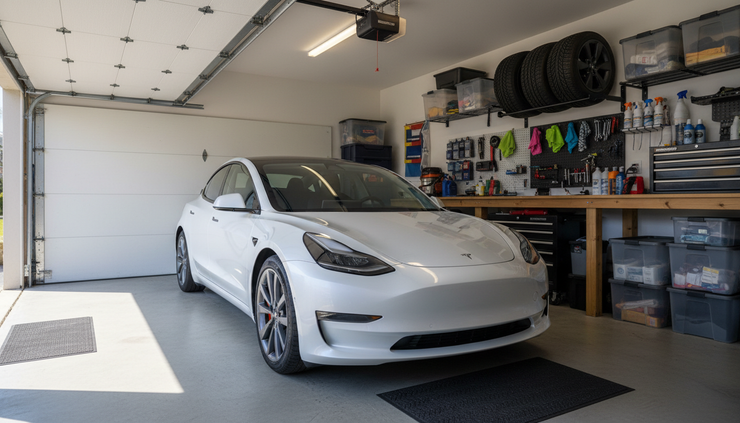
Garage parking reduces sun exposure, bird droppings, tree sap, dust, and sudden temperature swings. It also helps protect the interior from constant heat and UV damage.
A garaged car that is driven lightly may only need a full detail every 4 to 6 months. The interior may need even less attention if food, pets, and heavy daily use are not part of the routine.
Still, garage parking does not remove the need completely. Dust settles, tyres track in dirt, and interior surfaces still collect oils from hands, clothing, and skin.
You drive only occasionally
A weekend car, hobby car, or lightly used second vehicle can usually follow a gentler schedule. The main focus should be keeping the paint protected, the battery and mechanical systems maintained, and the interior clean and dry.
Even if mileage is low, inspect the car regularly. A vehicle can sit clean in a garage and still develop flat-looking paint, dusty vents, dry leather, or stale cabin smells if it is ignored for too long.
Signs your car needs immediate detailing
Schedules are helpful, but your car will often tell you when it needs attention. If you notice any of the signs below, do not wait for the next planned appointment.
Water is not beading on the paint
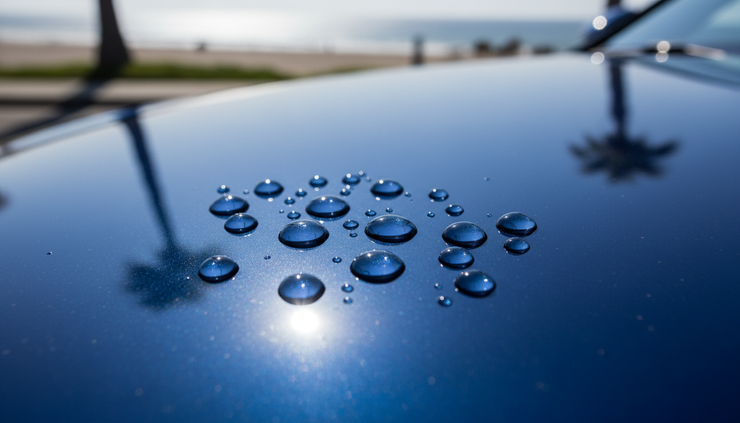
Freshly protected paint usually causes water to bead or sheet away quickly. If water starts lying flat on the surface, the protection may be weak or gone.
That leaves the paint more exposed to UV rays, water spots, bird droppings, road film, and coastal residue. A detail with paint decontamination and fresh protection can restore that barrier.
Interior surfaces feel sticky or look dull
Sticky steering wheels, shiny armrests, tacky buttons, and cloudy touchscreens are signs of build-up. This can come from body oils, food residue, sunscreen, lotion, drinks, and general dirt.
Besides looking unpleasant, this build-up can make materials wear faster. High-touch areas benefit from proper cleaning with products made for automotive surfaces.
You notice odours
Odours are a clear sign that something needs attention. Common causes include spilled drinks, food crumbs, damp carpets, pet accidents, smoke, gym gear, beach towels, or moisture trapped under mats.
Air fresheners only cover smells for a short time. A proper interior detail targets the source by cleaning fabrics, carpets, vents, mats, and hidden areas where residue can sit.
You see visible swirl marks
Swirl marks are fine scratches that often show up in direct sun. They make paint look hazy, dull, or spider-webbed, especially on darker colours.
Swirls usually come from rough washing, dirty towels, automatic brushes, or wiping dust off dry paint. If they are noticeable, the car may need paint correction or polishing, followed by better protection and safer wash habits.
Washing and detailing are not the same thing
Many drivers wash their cars often but detail them rarely. That is better than neglecting the car, but washing alone has limits.
A wash removes loose dirt from the outside. It usually does not clean the interior deeply, remove bonded contaminants, treat leather, restore trim, polish paint, or apply long-lasting protection.
Detailing fills those gaps. It gives the car a more complete reset and helps protect the surfaces that washing cannot fully address.
A simple way to think about it:
Regular washing | Professional-style detailing |
Removes loose dirt | Cleans and protects more deeply |
Focuses mostly on the exterior | Covers exterior and interior surfaces |
Takes less time | Takes more care and attention |
Helps maintain appearance | Helps preserve condition and longevity |
For most cars, the best approach is not choosing one over the other. It is washing regularly and detailing on a sensible schedule.
A practical maintenance rhythm for San Diego drivers
A good detailing routine does not need to be complicated. The right rhythm keeps the car clean without overdoing it.
For most San Diego drivers, this is a solid starting point:
Wash the car every 1 to 2 weeks if it is driven regularly or parked outside.
Vacuum and wipe high-touch interior areas every 2 to 4 weeks.
Schedule a full detail every 3 to 4 months.
Add paint protection whenever water no longer beads well.
Book an interior detail sooner after spills, pet messes, beach trips, or strong odours.
Inspect the paint in direct sun every month or so for swirls, water spots, and dullness.
If the car is exposed to coastal air, outdoor parking, kids, pets, or rideshare use, move closer to every 2 to 3 months for detailing. If it is garaged, coated, and lightly driven, every 4 to 6 months may be enough.
The best schedule is the one that reflects real use. A personalised detailing plan can account for where the car is parked, how often it is driven, whether it carries passengers or pets, what protection is already on the paint, and how clean you want it to feel day to day.
The takeaway for keeping your car looking its best
So, how often should you detail your car in San Diego? For most drivers, every 3 to 4 months is the sweet spot. It keeps paint protected, interiors fresh, and small issues easier to manage.
Detail more often if the car sits outside, hauls kids or pets, works as a rideshare vehicle, or spends time near the beach. Stretch the schedule a little if it has a ceramic coating, lives in a garage, or is driven lightly.
Pay attention to warning signs, especially water that no longer beads, sticky interior surfaces, noticeable odours, and visible swirl marks. Those are reminders that the car needs care now, not later.
A clean car feels better to drive, but the bigger win is long-term protection. With the right maintenance rhythm, your vehicle can handle San Diego sun, salt air, sand, and daily life while still looking cared for year after year.


Comments